-
TrendsCreative
-
SectorFood and Beverage
-
CountriesUnited States
In 2025, food and beverage brands are not just focused on taste or convenience; they are focused on identity. The coffee you hold, the hard seltzer in your fridge, or the snack on your desk has become a shorthand for lifestyle, values, and community. For marketers, this change is not just a cultural observation; it signals that brand strategy needs to go deeper. It’s about more than just function; it’s also about symbolism.
With traditional sources of belonging like religion, geography, and political affiliation shifting, especially among younger generations, consumers are using brands to define and express their identity. John Emery, writing in Entrepreneur, noted that people are increasingly building their self-image through the brands they choose, a trend that has intensified since 2023.
This is particularly strong in the food and beverage sector. Products are highly visible, often shared, and usually consumed in social settings, both in person and online. Every bottle, bar, and can could become a cultural artifact. Food Business Review pointed out that visual identity is essential for building emotional connections and ensuring immediate recognition. In practice, this means your packaging, typography, and color choices are more than design decisions; they are cues to identity.
Take Liquid Death ($350M revenue, 2024) whose bold aesthetic and irreverent tone in 2025 continue to represent anti-establishment values, not just hydration. Or consider Kin Euphorics, which embraces a wellness-meets-performance lifestyle while appealing to mainstream consumers. These brands thrive not just because of their products, but also because they resonate with current cultural trends.
The New Rules of Brand Engagement
In 2025, top-performing brands are adapting in four main ways:
- Emphasizing universal human values like joy, celebration, craftsmanship, and authenticity instead of divisive themes.
- Engaging with local communities to build real connections while steering clear of national controversies.
- Creating subtle distinctions that allow products to convey cultural understanding without being overly loud.
- Taking bold stances only when they align with core brand values, and doing so consistently and clearly.
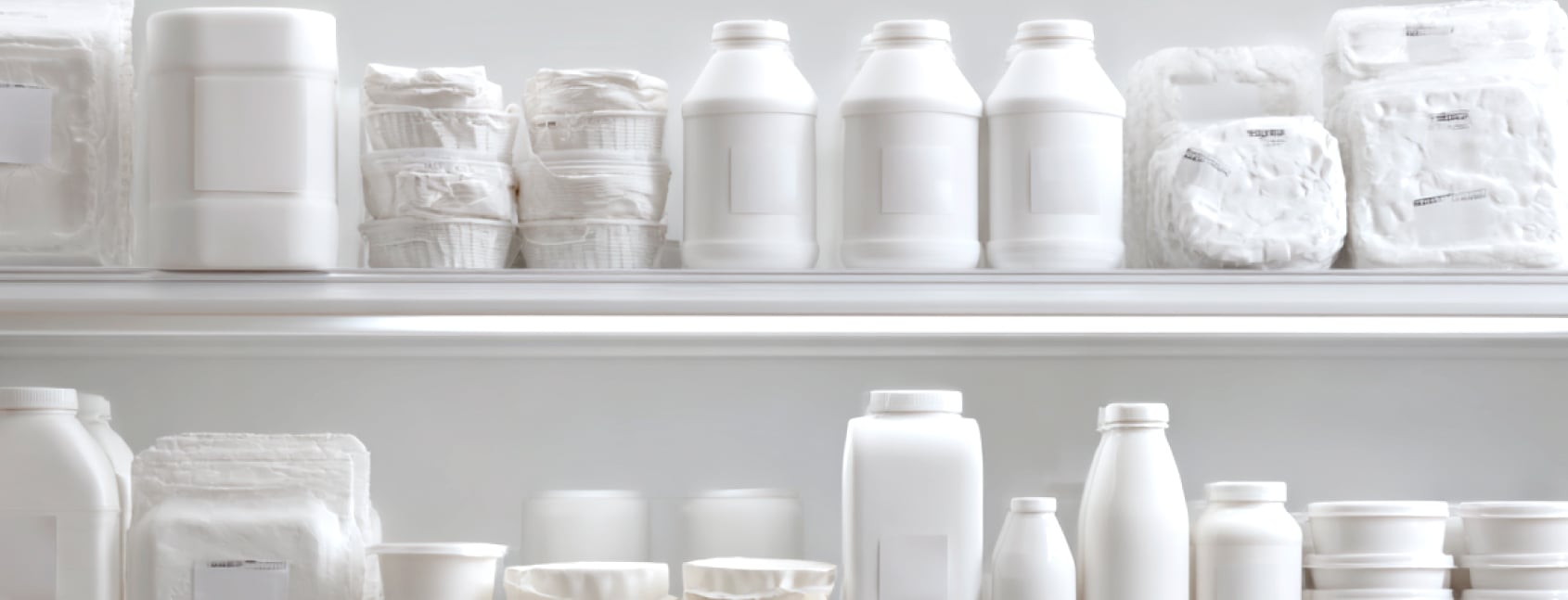
This is especially important in premium and lifestyle markets, where overt branding is being replaced by more refined approaches. Vogue Business reported that visual signatures, rather than logos, are now the primary way brands are recognized. In food and beverage, this could mean a minimalist label, a unique color scheme, or packaging that conveys sustainability through its design rather than its message.
An example is Oatly’s “Unbranded Barista” line, launched in early 2025, which completely forgoes traditional labeling. The packaging uses subtle cues, like tone of voice, material choice, and typography, to connect with consumers who appreciate discretion and values over aggressive branding.
Implications for Marketing Executives
This shift to symbolism challenges marketing leaders to rethink how brands are created, managed, and experienced:
- Your brand is now performed, not just consumed. Know how it appears across social, physical, and cultural spaces, and enhance all three.
- Visual and verbal identities must do more; they must convey meaning, values, and emotions at a glance.
- Brand architecture and portfolio strategies should prioritize differentiation along with functional or flavor segmentation.
- Product development and innovation must align with new identity narratives, whether that’s wellness, rebellion, or cultural curiosity.
- Even passive choices now matter. Consumers may not consciously support a brand’s mission, but to others, those choices convey everything from political views to lifestyle aspirations.
In a world where cultural alignment is quickly becoming a competitive edge, the strongest brands will be those that combine product quality with symbolic craftsmanship. Brand meaning, not just messaging, will decide whether your brand finds its way into someone’s hands and onto their social media feed.